
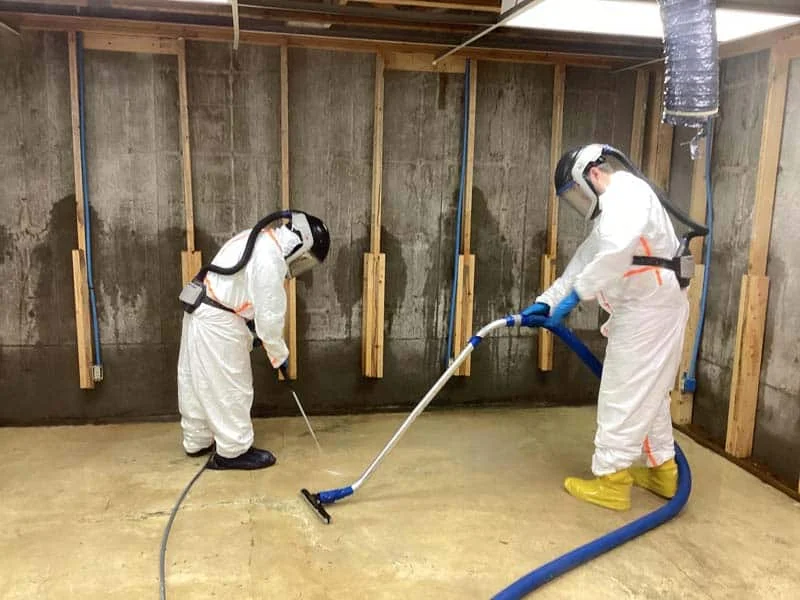
Written by Pursuit Restoration | Published on July 2025
Water damage and flood damage are not the same thing in the eyes of your insurance company, and that distinction can determine whether your claim is paid or denied. Standard homeowners insurance typically covers sudden internal water damage, while flood damage requires a separate flood insurance policy entirely.
This guide explains exactly how insurers define each type, what is and is not covered, how claims work in the Boise area, and what steps to take when damage happens. Whether you are in Meridian, Nampa, Caldwell, or Kuna, understanding this split before you need it can save you serious money.
Understand How Insurance Defines Water Damage vs. Flood Damage
The core difference comes down to where the water originates. Insurance companies define these two categories very specifically, and the definitions are not always intuitive.
Water damage in insurance terms refers to water that comes from inside your home or property. Think burst pipes, an overflowing washing machine, a leaking water heater, or a roof leak during a storm. It is sudden, accidental, and internal.
Flood damage refers to water that enters your home from the outside as part of a general condition affecting a large area. This includes rivers overflowing, heavy rain pooling on the ground, storm surge, and mudflow. It must affect two or more properties or two or more acres of normally dry land to be classified as a flood under most policies.
The National Flood Insurance Program (NFIP), which backs most flood policies in the U.S., uses this strict definition. If you file a claim for flood damage under your standard homeowners policy, it will almost certainly be denied.
Compare What Standard Homeowners Insurance Covers
Most homeowners in Eagle, Star, Middleton, and Garden City carry a standard HO-3 homeowners policy. Here is a clear breakdown of what that policy typically covers and what it excludes when it comes to water-related damage.
| Type of Water Damage | Covered by Standard Homeowners Policy? | Notes |
|---|---|---|
| Burst pipe (sudden) | Yes | Must be sudden and accidental, not from neglect |
| Washing machine overflow | Yes | Covered if accidental |
| Roof leak from storm | Often yes | Covered if the storm caused direct damage to the roof first |
| Sewer or drain backup | Usually no | Requires a separate sewer backup rider |
| Slow leak over time | No | Considered neglect or maintenance failure |
| Floodwater from outside | No | Requires separate flood insurance |
| Groundwater seepage | No | Not covered under standard or flood policies |
One common surprise: sewer backup is not automatically included in most standard policies. Homeowners in older Caldwell and Nampa neighborhoods with aging sewer infrastructure often discover this gap only after a backup event has already caused damage.
Understand What Flood Insurance Actually Covers
Flood insurance in the U.S. is primarily offered through the NFIP or private flood insurers. If you live in a FEMA-designated flood zone, your mortgage lender may require it. But even outside high-risk zones, flood insurance is worth considering.
Here is what a standard NFIP flood policy covers for homeowners:
- The building itself, including foundation, electrical, plumbing, HVAC systems, and major appliances
- Permanently installed flooring, walls, and cabinetry
- Personal property coverage is sold as a separate add-on
- Coverage limits are $250,000 for the building and $100,000 for contents under NFIP
What NFIP flood insurance does NOT cover includes:
- Temporary housing or additional living expenses while displaced
- Landscaping, fences, or decks
- Vehicles (covered under comprehensive auto insurance)
- Basement contents like furniture, electronics, or personal items stored below grade
- Financial losses caused by the flood, like missed work
Private flood insurers sometimes offer broader coverage, including higher limits and living expense reimbursement. If you own property near the Boise River, the Payette River, or in low-lying areas around Emmett or Horseshoe Bend, talking to a flood insurance specialist is a smart move.
Review How Idaho Geography Affects Your Risk
Idaho’s geography creates specific water damage and flood risks that vary by location. The Treasure Valley sees a mix of irrigation-related flooding, rapid snowmelt from the foothills, and occasional heavy spring rain events.
In areas like Melba and Parma, agricultural irrigation canals run close to residential properties. A canal breach or irrigation overflow can cause what looks like a flood but may or may not be classified as one under your policy depending on the source and whether it affects multiple properties.
Horseshoe Bend and Idaho City sit near river corridors that can rise quickly during snowmelt season. Hidden Springs, a planned community north of Boise, has elevation advantages but can still experience hillside water intrusion during heavy rain.
Kuna and Notus sit on the lower plains of the Treasure Valley where stormwater drainage can be slower. Homeowners in these areas have seen basement water intrusion during wet winters that may fall into the gray zone between flood and drainage issues.
Pursuit Restoration has responded to water events across all of these communities and understands how local geography affects both the damage itself and the insurance conversation.
Learn the Filing Process for Each Type of Claim
Filing a water damage claim and filing a flood damage claim follow different processes. Knowing the steps in advance helps you move faster when damage happens, which matters because water damage worsens quickly.
For a standard water damage claim through your homeowners insurance:
- Stop the source of water immediately if possible, such as shutting off the main water supply
- Document all damage with photos and video before moving anything
- Call your insurance company to open a claim
- Contact a licensed restoration company like Pursuit Restoration to begin emergency mitigation
- Keep all receipts for emergency repairs and temporary fixes
- Meet with the adjuster and provide your documentation
For a flood damage claim through the NFIP or a private flood insurer:
- Wait until it is safe to re-enter the property
- Document all damage thoroughly before any cleanup
- Call your flood insurance provider directly, not your homeowners insurer
- A separate flood adjuster (called a WYO adjuster) will be assigned to your claim
- NFIP claims have a 60-day proof of loss deadline, so act quickly
- Begin mitigation work after the adjuster visit or after getting written approval to proceed
One important note: starting mitigation work before your adjuster visit can sometimes complicate your claim. However, waiting too long also allows mold to develop, which is typically not covered. Document everything first and communicate clearly with your insurer about timing.
Compare Typical Costs for Water Damage vs. Flood Damage Restoration
Understanding the cost range helps you know what you might be responsible for after your deductible and any coverage gaps. Costs vary based on the severity of damage, materials affected, and local labor rates in the Boise area.
| Damage Scenario | Estimated Restoration Cost | Insurance Type Needed |
|---|---|---|
| Burst pipe, one room affected | $1,500 to $5,000 | Standard homeowners |
| Washing machine overflow, multiple rooms | $3,000 to $8,000 | Standard homeowners |
| Sewer backup, basement | $2,500 to $10,000 | Sewer backup rider required |
| Roof leak with ceiling and wall damage | $4,000 to $15,000 | Standard homeowners (if storm-related) |
| Partial flood, 1 to 2 feet of water | $15,000 to $40,000 | Flood insurance |
| Major flood, full basement and main level | $40,000 to $100,000+ | Flood insurance (may exceed NFIP limits) |
These figures reflect general Treasure Valley market rates. Properties in Meridian and Eagle with finished basements and high-end materials will sit at the higher end of these ranges.
Pursuit Restoration provides detailed written estimates that align with insurance adjuster expectations, which helps streamline your claim and avoids surprises during the approval process.
FAQs on Water Damage vs. Flood Damage Insurance
Can I file one claim for both water damage and flood damage?
No. You must file separate claims with separate insurers. Your homeowners policy handles internal water damage, while your flood policy handles flood damage. If both types of damage occurred in the same event, you will need to document and separate each type carefully for each insurer.
What if my damage falls into a gray area between water damage and flood damage?
Gray area claims are common and often disputed. For example, if heavy rain caused a pipe to back up inside your home, the origin of the water matters. An experienced restoration company and a public adjuster can help you document the claim in a way that accurately represents what happened and supports your coverage argument.
Does standard homeowners insurance cover a flooded basement in Boise?
It depends entirely on how the water got in. If a pipe burst and flooded your basement, it is likely covered. If groundwater seeped in during a storm or the Boise River overflowed and water entered from outside, you need flood insurance. Most basement flooding from outside sources is not covered by standard homeowners policies.
How long does it take for a flood insurance claim to be paid?
NFIP claims typically take 30 to 60 days to process from the time the adjuster completes their inspection. Complex claims with high dollar amounts can take longer. Private flood insurers sometimes process claims faster. You have a 60-day window to file your proof of loss with the NFIP, so do not delay.
Is flood insurance required in Meridian or Nampa, Idaho?
Flood insurance is required by mortgage lenders if your property is in a FEMA Special Flood Hazard Area (SFHA), also called a high-risk flood zone. Many properties in Meridian, Nampa, and Caldwell are not in designated SFHAs, but that does not mean they are risk-free. Flooding can and does occur outside mapped flood zones.
What should I do immediately after water damage to protect my insurance claim?
Take photos and video of everything before touching anything. Then stop the source if you can, contact your insurer to open the claim, and call a restoration company right away. Do not throw anything away before the adjuster sees the damage. Delaying mitigation can also result in your insurer reducing your payout due to preventable secondary damage.
Wrap Up and Next Steps
The difference between water damage and flood damage insurance is not just technical language. It directly affects whether your claim gets paid and how much you receive. Knowing your coverage before damage happens is the best protection you can have.
If your home has experienced water damage or flooding in Boise, Meridian, Eagle, Nampa, Caldwell, or anywhere across the Treasure Valley, Pursuit Restoration is ready to help. We work directly with insurance adjusters and can help you document damage accurately from day one.
Call Pursuit Restoration at 2085156503 to schedule an assessment or get an emergency response started. The sooner you act, the better the outcome for your home and your claim.